Are Breville Products Worth Buying? A Guide to Their Best Kitchen and Home Appliances
Breville makes some genuinely excellent kitchen appliances — particularly espresso machines and high-powered blenders — but not everything in their range justifies the premium price. Their strength is in semi-professional equipment that delivers restaurant-quality results at home; their weakness is venturing into categories where they're less specialised, like air purification. This guide covers what's worth your money and what isn't.
Why Breville?
Breville has been designing kitchen appliances since 1932, starting in Australia and now sold globally. They specialise in high-performance small appliances — espresso machines, blenders, toasters, juicers — where precision engineering matters. What sets them apart: they design with the user in mind, not just budget-chasing. Their espresso machines include built-in grinders and temperature control. Their blenders come with commercial-grade motors. They're not the cheapest, but they've earned their reputation by dominating categories where they've invested time.
Their weakness is breadth. When Breville moves into categories outside their core expertise — like air purifiers — they're essentially white-label products with Breville branding, and you're paying for the name, not the innovation.
Top Picks
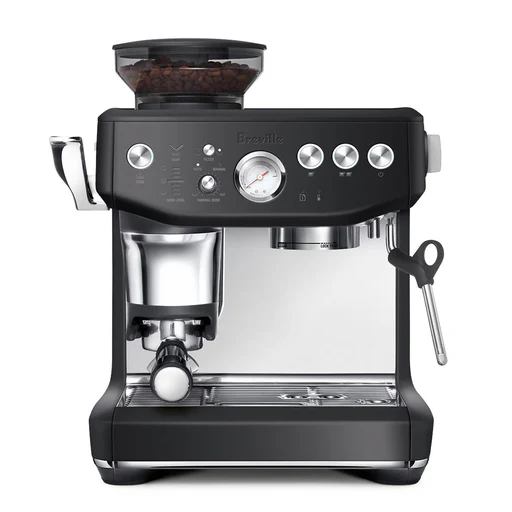
Breville Barista Express Impress Espresso Machine — £649.95
Best for anyone serious about espresso but unwilling to buy a £3,000 machine. This is Breville's flagship: a semi-automatic espresso machine with an integrated conical burr grinder, temperature control, and a steam wand for milk frothing. The "Impress" addition means it has an automated tamping system — the machine presses the portafilter for you, removing one variable from the equation. You still control the grind and extraction, so you're learning espresso, not just pushing a button. The brushed stainless steel finish looks professional on a kitchen counter. This is the pick if you drink espresso regularly and want café-quality results without becoming a hobbyist technician.
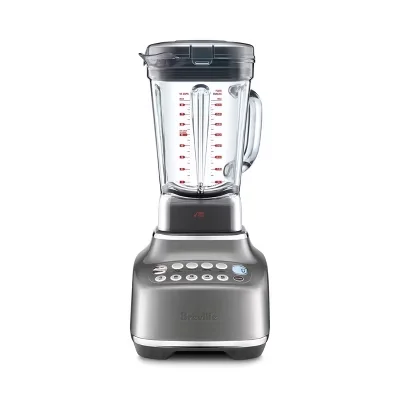
The Q Commercial Grade High Performance Blender — £349.95
Best for value and everyday blending tasks. This is Breville's workhorse blender: 2.3-litre jug capacity, 1000W motor, 19 speed settings, and commercial-grade blade assembly. It's positioned below the Super Q but handles smoothies, soups, nut butters, and frozen drinks without flinching. The motor is quiet for its power, and the jug is durable Tritan plastic that resists staining. If you blend occasionally and want reliability without paying for professional-grade bells and whistles, this delivers.
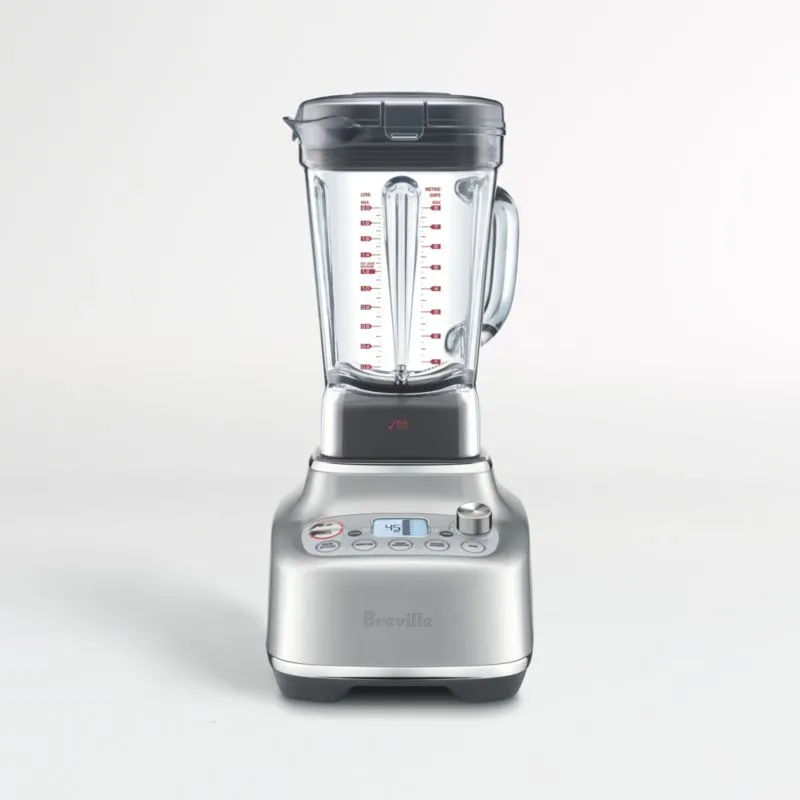
Breville Super Q Blender In Brushed Stainless Steel — £499.95
Best for heavy daily use and premium aesthetics. The Super Q is the commercial-adjacent blender: 1200W motor (200W more than The Q), variable speed control, 2.3-litre capacity, and stainless steel construction throughout (jug and base). The motor handles ice, whole nuts, and frozen fruit repeatedly without degradation. If you're blending daily and want a machine that'll outlast cheaper models, this is the justified upgrade.
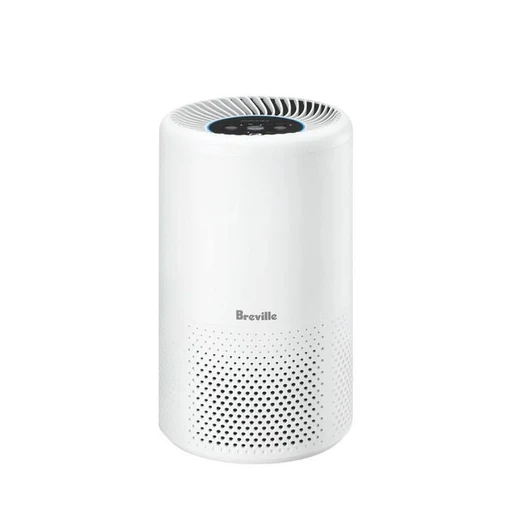
Breville LAP150 Air Purifier (25m²) — £899.00
Best for small to medium rooms if you must have Breville branding. This purifies up to 25 square metres, has a timer mode, and HEPA filtration. Honestly? This is where Breville's premium breaks down. At £899, you're paying significantly more than specialist air purifier brands (Dyson, Levoit, Winix) for comparable specs. Air purifiers are commodity products; Breville's expertise in espresso doesn't transfer here. Only buy this if aesthetics and brand consistency matter more than value.
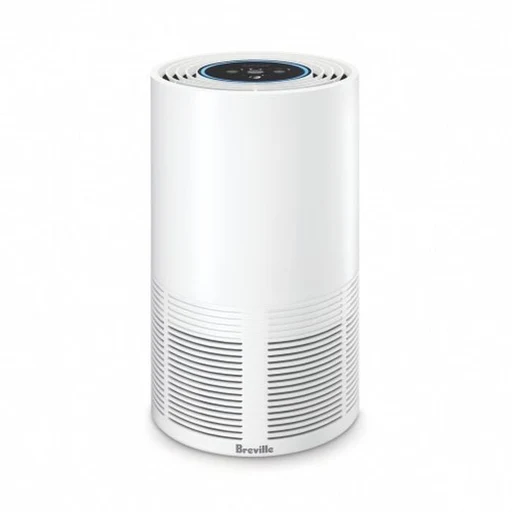
Breville LAP300 Air Purifier (40m²) — £1,299.00
Best avoided unless you have a very large room and unlimited budget. At £1,299, this covers 40 square metres with timer mode and HEPA filtration. But it's roughly double the price of non-Breville purifiers with identical or better specifications. This is Breville trading on brand recognition in a category where they don't innovate.
Quick Comparison
| Product | Price | Best For | Standout Feature | |---------|-------|----------|------------------| | Barista Express Impress | £649.95 | Espresso enthusiasts | Integrated grinder + automated tamping | | The Q Blender | £349.95 | Budget-conscious daily blending | Commercial-grade motor, excellent value | | Super Q Blender | £499.95 | Heavy daily use | 1200W motor, all-stainless construction | | LAP150 Air Purifier | £899.00 | Small rooms (if brand matters) | 25m² coverage, timer mode | | LAP300 Air Purifier | £1,299.00 | Large rooms (if budget is unlimited) | 40m² coverage, timer mode |
What to Look For When Choosing Breville
-
Motor power matters for blenders: The Super Q's 1200W versus The Q's 1000W sounds modest, but that 200W difference extends blade life and handles ice repetitively. For daily use, it's worth the £150 upgrade.
-
Grinder quality affects espresso taste: The Barista Express's conical burr grinder is precise (adjustable in fine increments), which matters more than the machine's water pressure. A poor grind wastes excellent espresso equipment.
-
Capacity versus frequency: If you blend for two people daily, the 2.3-litre jug on both Q blenders is fine. If you're blending for a family or meal-prepping, you'll be running it twice — a smaller capacity is genuinely frustrating.
-
Skip Breville air purifiers unless aesthetics dictate your purchase: Their core expertise doesn't extend here, and you'll overpay by 50%+ versus specialist brands for identical performance.
The Bottom Line
Breville's Barista Express Impress (£649.95) is the standout — it genuinely delivers on its promise and justifies the premium for anyone who drinks espresso regularly. The Super Q Blender (£499.95) is also excellent value if you blend daily. Skip both air purifiers; Breville's reputation doesn't extend into that category, and you'll find better value elsewhere. Buy Breville for what they invented; avoid it for what they're just rebranding.
Frequently Asked Questions
Is Breville good value for money?
Yes, but only for their core products — espresso machines and blenders. The Barista Express and Super Q justify their prices through superior build quality and motor engineering. Air purifiers, however, are overpriced compared to specialist brands offering identical specs at half the cost. Value depends on which product you're considering.
Do Breville espresso machines need professional servicing?
Not regularly. The Barista Express is designed for home users and requires only basic maintenance: backflushing the group head weekly, descaling every 200 shots, and replacing the gasket yearly (£10 part). You can do all of this yourself; no technician required. If something fails, UK repairs are available through official Breville support.
Can you use any grinder with the Barista Express, or is it locked to the built-in one?
The built-in grinder is permanent, but you can choose not to use it. If you already own a quality grinder, you can grind beans separately and feed them directly into the portafilter basket, bypassing the onboard grinder entirely. However, this defeats the machine's convenience advantage; the built-in grinder is genuinely good, so most users stick with it.
How do the Q and Super Q blenders compare for smoothies?
Both produce identical smoothie quality for occasional use. The Super Q's 1200W motor shows its advantage only after months of heavy daily blending — it preserves blade sharpness longer and handles repeated ice blending without motor strain. For occasional smoothies (2-3 times weekly), The Q's 1000W is sufficient and saves you £150. Upgrade to Super Q only if you're blending daily or making hot soups regularly.
What's the difference between the LAP150 and LAP300 air purifiers?
The LAP300 covers 40 square metres versus the LAP150's 25 square metres — roughly 60% more room. Both use HEPA filtration and timer modes. Neither is specialised enough to justify Breville's premium pricing. For the same budget (£900-£1,300), Dyson, Levoit, or Winix offer purifiers with app control, sensor networks, and better filter longevity.